
World
Airlines Crack Down on Power Banks Amid Rising Safety Concerns

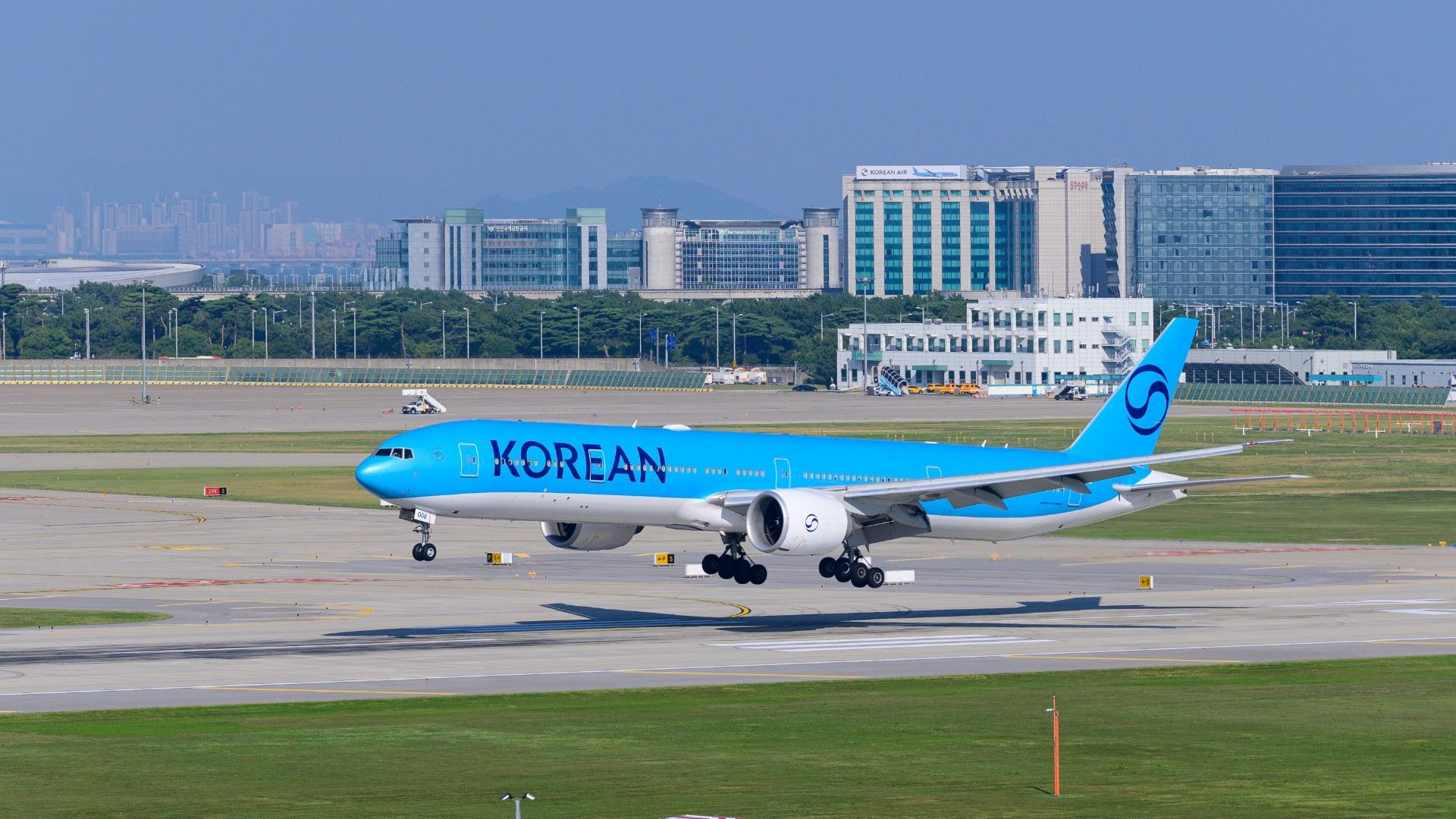
The growing reliance on portable electronic devices has prompted airlines to reconsider their policies regarding power banks due to safety concerns. Following a series of high-profile incidents, including a recent fire linked to a lithium-ion battery, airlines are now implementing stricter regulations on the use of these devices during flights.
Korean Air announced today that it will ban the use of power banks on flights starting from January 26, 2026. This decision affects not only Korean Air but also its sister airlines within the Hanjin Group, including Air Busan, Air Seoul, Asiana, and Jin Air. Passengers will no longer be able to charge mobile phones, tablets, laptops, and cameras with power banks while onboard. The airline cited “enhanced safety measures” as a primary reason for this change, noting that incidents involving in-flight fires due to lithium-ion power banks have been increasing.
Passengers will still be permitted to carry power banks in their luggage, provided they comply with existing regulations. Korean Air emphasized the importance of passenger cooperation in implementing this ban, stating, “The ban on the in-flight use of power banks is a necessary measure to ensure the highest standards of flight safety.”
Other Airlines Follow Suit
Korean Air’s move aligns with actions taken by other major carriers. Just last week, Lufthansa instituted a similar ban on its flights and those operated by its partners within the Lufthansa Group. This restriction came into effect on January 15, 2025, prohibiting passengers from using in-seat power supplies to charge their portable power banks. An exception is made for approved personal medical devices, underscoring the seriousness with which Lufthansa is addressing the matter.
Korean Air had already begun implementing various safety measures related to power banks, including providing insulation tape at check-in and boarding gates to prevent short circuits. They have also equipped aircraft with fire-containment bags and introduced temperature-sensitive stickers for detecting overheating. These proactive steps reflect a growing commitment within the aviation industry to enhance passenger safety.
Fire Incidents Raise Alarm
The tightening of restrictions around power banks follows several alarming incidents involving thermal runaway fires. A significant case occurred on January 15, 2025, when Air Busan flight 391, an Airbus A321 operating a domestic route from Busan to Seoul, experienced a fire just before taxiing on the runway. Investigators suspect that the blaze originated from a battery inside a passenger’s bag stowed in an overhead compartment. Fortunately, the incident took place while the aircraft was on the ground, allowing all passengers to evacuate safely. However, the aircraft was rendered a total loss, highlighting the potential dangers of lithium-ion batteries in confined spaces.
As more airlines adopt similar bans, the aviation industry is sending a clear message about the importance of safety in air travel. With the increasing frequency of incidents linked to power banks, it is likely that more carriers will follow suit in the coming months, ensuring that passenger safety remains a top priority.

India Unveils Long-Range Hypersonic Missile Amid Regional Tensions

SK bioscience Launches Global Trial for Universal Sarbecovirus Vaccine

Senegal Coach Pape Thiaw Suspended and Fined After Final Disruption

PAS Denies Abolishing Chairman Post, Contradicts Muhyiddin’s Claim

Mbappé Critiques Real Madrid’s Effort After Benfica Defeat

Thailand’s December Factory Output Surges 2.52% Year-on-Year

Ishita Dutta Reveals Her Parenting Secret: Strong Coffee

Older GPs Express Concerns Over New Digital Health Record Mandate

Urban Jurgensen: A 252-Year Legacy Enters a New Era

Regina Martinez Breaks New Ground for Mexico in Cross-Country Skiing

South Korea’s Foreign Minister Cho Hyun to Visit China This Week

Starling Bank Plans Secondary Share Sale, Targeting $5.4 Billion Valuation

Munsang College Celebrates 100 Years with Grand Ceremony

PAS Aims to Expand Parliamentary Influence in Upcoming Election

De Minaur Triumphs at Washington Open After Thrilling Comeback

Kenvue Dismisses CEO Thibaut Mongon as Strategic Review Advances

Humanism Camp Engages 250 Youths in Summer Fest 2025

Colombian Senator Miguel Uribe Shows Signs of Recovery After Attack
-
 Sports3 months ago
Regina Martinez Breaks New Ground for Mexico in Cross-Country Skiing
-
 World7 months ago
South Korea’s Foreign Minister Cho Hyun to Visit China This Week
-
 Business7 months ago
Starling Bank Plans Secondary Share Sale, Targeting $5.4 Billion Valuation
-
 Top Stories7 months ago
Munsang College Celebrates 100 Years with Grand Ceremony
-
 World7 months ago
PAS Aims to Expand Parliamentary Influence in Upcoming Election
-
 Sports9 months ago
De Minaur Triumphs at Washington Open After Thrilling Comeback
-
 Business9 months ago
Kenvue Dismisses CEO Thibaut Mongon as Strategic Review Advances
-
 Lifestyle9 months ago
Humanism Camp Engages 250 Youths in Summer Fest 2025
-
 Top Stories9 months ago
Colombian Senator Miguel Uribe Shows Signs of Recovery After Attack
-

 Sports9 months ago
Tupou and Daugunu Join First Nations Squad for Lions Clash
-
 World9 months ago
ASEAN Gears Up for Historic Joint Meeting of Foreign and Economic Ministers
-

 Health9 months ago
New Study Challenges Assumptions About Aging and Inflammation