
Science
Singapore Explores Nuclear Power, Enhances Workforce and Research

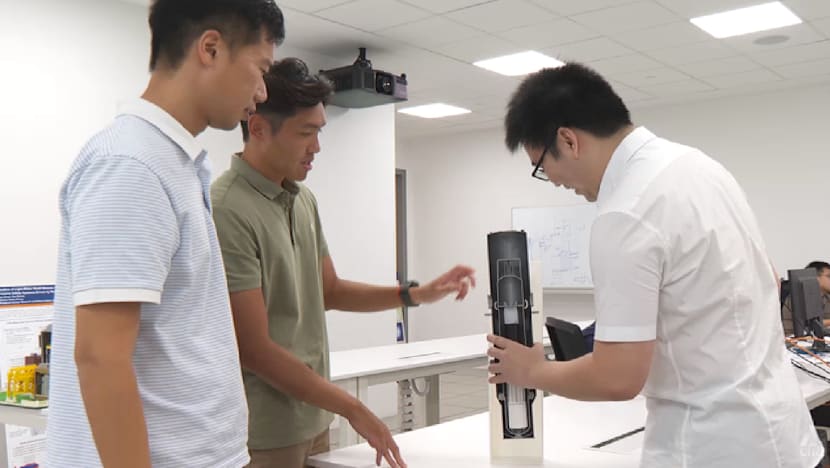
Singapore is intensifying its exploration of nuclear energy as a potential power source for the nation. This initiative involves bolstering its workforce and advancing research efforts, although there is currently no established timeline for implementation. Authorities emphasize that stringent safety standards and public confidence will be crucial in this process, especially as interest in nuclear energy rises across the region.
Chia Meng Hwee, deputy director of the Energy Market Authority’s (EMA) Nuclear Energy Office, acknowledged the sensitive nature of nuclear energy discussions. He stated, “Nuclear energy is an emotive subject, so we have to take into consideration the public’s understanding and the confidence in the technologies that will be deployed.” He noted that successful deployment in the region could enhance public trust, while setbacks could harm perceptions of nuclear technologies.
As about 95 percent of Singapore’s electricity is generated from natural gas, the nation’s energy strategy faces vulnerabilities related to global price fluctuations and supply chain disruptions. Rising energy demands, coupled with limited land and increasing climate pressures, have intensified the search for cleaner and more reliable energy alternatives. Observers suggest that conventional solutions may be inadequate for Singapore’s unique constraints, urging a focus on smaller, smarter energy options.
In response, the EMA has commissioned consultancy firm Mott MacDonald to investigate nuclear energy technologies. The emergence of small modular reactors (SMRs) has made nuclear energy a more viable option for land-scarce Singapore. These next-generation reactors are designed to be simpler and potentially more cost-effective than traditional large reactors, which can take nearly a decade to construct.
The SMRs, which have been successfully deployed in countries such as Russia and China, offer distinct advantages for Singapore. They require less land and feature prefabricated modules that can be easily transported and assembled on-site, significantly reducing construction time and costs. With a generating capacity of around 300 megawatts per unit, SMRs produce about one-third the output of conventional reactors.
Safety is a paramount concern for Singapore as it explores nuclear options. Dr. Ming Tan, global nuclear practice lead at Mott MacDonald, emphasized that safety is “absolutely non-negotiable.” He explained that the focus will be on key safety advancements and the design features of SMRs, including their passive safety systems, which allow the reactor to shut down and cool without human intervention.
As part of its commitment to safety, Singapore has established a national radiation monitoring program. This program includes a network of stations that continuously track air quality for anomalies that could indicate nuclear radiation. Soil and water samples are also analyzed for radioactivity levels that may pose health risks.
The initiative extends beyond Singapore, enhancing regional capabilities as countries like the Philippines and Indonesia prepare to implement nuclear power plants. Mr. Ang Kok Kiat, group director for radiation protection and nuclear science at the National Environment Agency, highlighted the importance of fostering nuclear safety cooperation among regional regulators. This collaborative approach aims to ensure that Southeast Asian nations are well-prepared as interest in nuclear energy grows.
The Singapore Nuclear Research and Safety Institute plays a critical role in this effort by consolidating expertise in nuclear technology and safety. Its director, Associate Professor Chung Keng Yeow, indicated that the country is poised to adopt new reactor technologies once they have undergone sufficient testing. He noted, “All the preparation work, especially for the institute, building up manpower, sending people on scholarships overseas – so that we start to build at least some human expertise in this area – is already indicating some sort of a start.”
As Singapore navigates the complexities of nuclear energy, its focus on safety, research, and public engagement will be vital in shaping the future of its energy landscape.

India Unveils Long-Range Hypersonic Missile Amid Regional Tensions

SK bioscience Launches Global Trial for Universal Sarbecovirus Vaccine

Senegal Coach Pape Thiaw Suspended and Fined After Final Disruption

PAS Denies Abolishing Chairman Post, Contradicts Muhyiddin’s Claim

Mbappé Critiques Real Madrid’s Effort After Benfica Defeat

Thailand’s December Factory Output Surges 2.52% Year-on-Year

Ishita Dutta Reveals Her Parenting Secret: Strong Coffee

Older GPs Express Concerns Over New Digital Health Record Mandate

Urban Jurgensen: A 252-Year Legacy Enters a New Era

Regina Martinez Breaks New Ground for Mexico in Cross-Country Skiing

South Korea’s Foreign Minister Cho Hyun to Visit China This Week

Starling Bank Plans Secondary Share Sale, Targeting $5.4 Billion Valuation

Munsang College Celebrates 100 Years with Grand Ceremony

PAS Aims to Expand Parliamentary Influence in Upcoming Election

De Minaur Triumphs at Washington Open After Thrilling Comeback

Kenvue Dismisses CEO Thibaut Mongon as Strategic Review Advances

Humanism Camp Engages 250 Youths in Summer Fest 2025

Colombian Senator Miguel Uribe Shows Signs of Recovery After Attack
-
 Sports2 months ago
Regina Martinez Breaks New Ground for Mexico in Cross-Country Skiing
-
 World6 months ago
South Korea’s Foreign Minister Cho Hyun to Visit China This Week
-
 Business7 months ago
Starling Bank Plans Secondary Share Sale, Targeting $5.4 Billion Valuation
-
 Top Stories7 months ago
Munsang College Celebrates 100 Years with Grand Ceremony
-
 World6 months ago
PAS Aims to Expand Parliamentary Influence in Upcoming Election
-
 Sports8 months ago
De Minaur Triumphs at Washington Open After Thrilling Comeback
-
 Business8 months ago
Kenvue Dismisses CEO Thibaut Mongon as Strategic Review Advances
-
 Lifestyle8 months ago
Humanism Camp Engages 250 Youths in Summer Fest 2025
-
 Top Stories8 months ago
Colombian Senator Miguel Uribe Shows Signs of Recovery After Attack
-

 Sports8 months ago
Tupou and Daugunu Join First Nations Squad for Lions Clash
-

 World8 months ago
ASEAN Gears Up for Historic Joint Meeting of Foreign and Economic Ministers
-

 Health8 months ago
New Study Challenges Assumptions About Aging and Inflammation