
Politics
Seoul Engages Moscow in Talks Over North Korean Nuclear Threat

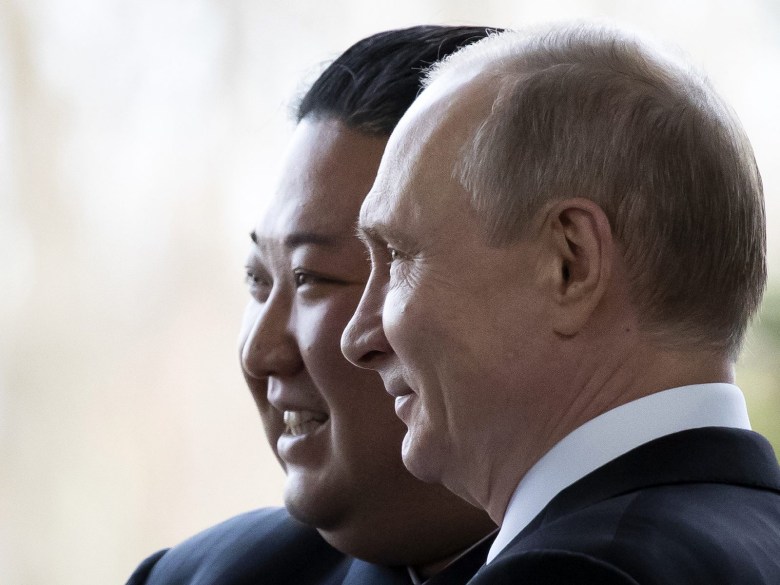
Diplomats from South Korea and Russia met in December 2025 in Moscow to discuss concerns regarding North Korea’s growing nuclear arsenal. The closed-door session included representatives from South Korea’s foreign ministry and Oleg Burmistrov, who articulated Russia’s policy towards North Korea. As South Korea shifts under President Lee Jae Myung towards a dialogue-centric approach, the discussions represent a potential pivot in regional diplomacy aimed at addressing nuclear proliferation.
Seoul’s outreach to Moscow is significant as it seeks to involve Russia as a mediator in the ongoing tension with North Korea. This approach comes after years of strained relations with the North, characterized by escalating hostilities and a lack of communication. Kim Jong Un, the North Korean leader, has indicated an intention to expand his country’s nuclear capabilities aggressively, with estimates suggesting that North Korea could possess between 127 and 150 nuclear warheads as of late November 2025, according to the Korea Institute for Defense Analyses (KIDA). If this trend continues, projections indicate that North Korea could amass 200 nuclear missiles by 2030 and potentially 400 by 2040.
The backdrop of these discussions is complicated by North Korea’s military support for Russia during the ongoing conflict in Ukraine. Reports indicate that approximately 10,000 to 12,000 North Korean troops have participated in combat operations in Ukraine, providing vital assistance to Russian forces. This military collaboration raises concerns among South Korean officials about the potential transfer of advanced Russian military technology to North Korea, particularly regarding its nuclear submarine program. In September 2025, South Korea’s military and National Intelligence Service reported possible transfers of critical modules for North Korean submarines from Russia, suggesting an alarming development in Pyongyang’s military capabilities.
Trust and Diplomacy: Can Russia Serve as an Intermediary?
As President Lee seeks to establish a more diplomatic relationship with North Korea, he faces skepticism regarding Russia’s reliability as a mediator. The previous administration, led by Yoon Suk-yeol, adopted a more confrontational stance towards the North, which included accusations of provoking conflict. In contrast, Lee aims to prevent escalation by fostering dialogue, mirroring outreach efforts made during the Trump administration.
Russia’s involvement with North Korea is precarious, given its current military commitments in Ukraine. As Russia continues to rely on North Korean military supplies, it may be less inclined to pressure Kim Jong Un into nuclear negotiations. The ongoing conflict has strained Russia’s resources, complicating its foreign policy objectives.
South Korea has opted to avoid further inflaming tensions with Moscow, refraining from supplying military aid to Ukraine. By engaging with North Korea’s allies, Seoul hopes to facilitate future discussions on nuclear disarmament. Yet, the extent to which Russia can be trusted to act impartially remains in question.
Assessing the Regional Impact
The implications of these diplomatic efforts extend beyond the Korean Peninsula. As Julian McBride, a defense analyst, notes, the potential integration of Russian technology into North Korea’s military could heighten security concerns for both South Korea and Japan. The strategic positioning of North Korea’s missile facilities, especially those near China, further complicates the geopolitical landscape.
President Lee’s administration is navigating a complex web of international relations, aiming to stabilize the region through diplomatic channels. By strengthening ties with the United States and other Indo-Pacific allies, South Korea seeks to address the threats posed by North Korea’s nuclear ambitions.
As the situation evolves, Seoul will be closely monitoring Russia’s responses to its outreach efforts, particularly as the Kremlin faces mounting economic challenges that may influence its reliance on North Korea. The coming months will be critical in determining whether dialogue can lead to tangible progress in nuclear disarmament or if the status quo will persist amidst rising tensions.

India Unveils Long-Range Hypersonic Missile Amid Regional Tensions

SK bioscience Launches Global Trial for Universal Sarbecovirus Vaccine

Senegal Coach Pape Thiaw Suspended and Fined After Final Disruption

PAS Denies Abolishing Chairman Post, Contradicts Muhyiddin’s Claim

Mbappé Critiques Real Madrid’s Effort After Benfica Defeat

Thailand’s December Factory Output Surges 2.52% Year-on-Year

Ishita Dutta Reveals Her Parenting Secret: Strong Coffee

Older GPs Express Concerns Over New Digital Health Record Mandate

Urban Jurgensen: A 252-Year Legacy Enters a New Era

Regina Martinez Breaks New Ground for Mexico in Cross-Country Skiing

South Korea’s Foreign Minister Cho Hyun to Visit China This Week

Starling Bank Plans Secondary Share Sale, Targeting $5.4 Billion Valuation

Munsang College Celebrates 100 Years with Grand Ceremony

PAS Aims to Expand Parliamentary Influence in Upcoming Election

De Minaur Triumphs at Washington Open After Thrilling Comeback

Kenvue Dismisses CEO Thibaut Mongon as Strategic Review Advances

Humanism Camp Engages 250 Youths in Summer Fest 2025

Colombian Senator Miguel Uribe Shows Signs of Recovery After Attack
-
 Sports2 months ago
Regina Martinez Breaks New Ground for Mexico in Cross-Country Skiing
-
 World6 months ago
South Korea’s Foreign Minister Cho Hyun to Visit China This Week
-
 Business7 months ago
Starling Bank Plans Secondary Share Sale, Targeting $5.4 Billion Valuation
-
 Top Stories7 months ago
Munsang College Celebrates 100 Years with Grand Ceremony
-
 World6 months ago
PAS Aims to Expand Parliamentary Influence in Upcoming Election
-
 Sports8 months ago
De Minaur Triumphs at Washington Open After Thrilling Comeback
-
 Business8 months ago
Kenvue Dismisses CEO Thibaut Mongon as Strategic Review Advances
-
 Lifestyle8 months ago
Humanism Camp Engages 250 Youths in Summer Fest 2025
-
 Top Stories9 months ago
Colombian Senator Miguel Uribe Shows Signs of Recovery After Attack
-

 Sports8 months ago
Tupou and Daugunu Join First Nations Squad for Lions Clash
-
 World8 months ago
ASEAN Gears Up for Historic Joint Meeting of Foreign and Economic Ministers
-

 Health8 months ago
New Study Challenges Assumptions About Aging and Inflammation