
Politics
UN Court to Hear Landmark Genocide Case Against Myanmar in 2026

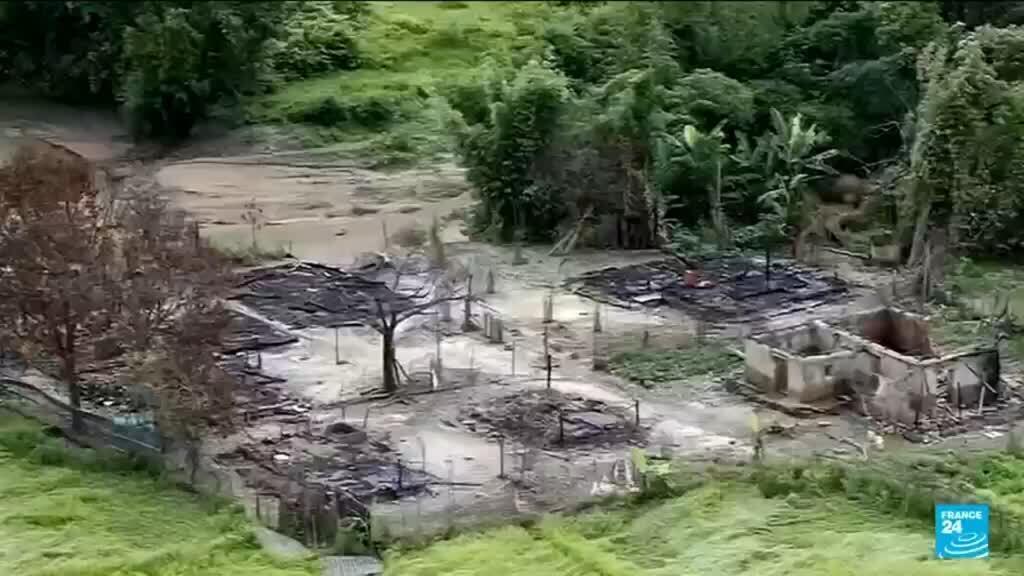
The United Nations’ highest court is set to commence hearings on a significant genocide case against Myanmar on January 12, 2026. The case was initiated by Gambia, which accuses the Southeast Asian nation of committing genocide against its Muslim Rohingya minority during violent outbreaks in the Rakhine region in 2017. This conflict led to the mass exodus of over 730,000 Rohingya, who fled to neighboring Bangladesh to escape the violence.
The allegations stem from a series of events that unfolded in Rakhine state, where widespread reports documented killings, sexual violence, and the destruction of homes and villages inhabited by the Rohingya. The situation has drawn international condemnation, with numerous human rights organizations and countries calling for accountability. Gambia’s case aims to hold Myanmar responsible for these alleged atrocities under the Genocide Convention.
In response to the accusations, Myanmar has consistently denied any claims of genocide. During a preliminary hearing in 2019, representatives from Myanmar characterized the allegations as misleading, asserting that the military operations conducted in Rakhine were necessary to combat terrorism and restore order following attacks by Rohingya militants.
Implications of the Case
The hearing by the International Court of Justice (ICJ) is poised to have significant implications for both Myanmar and international law regarding genocide. It marks the first time a state has brought a case against another state for genocide based on the treatment of the Rohingya. The court’s eventual ruling could set a precedent for how similar cases are handled in the future.
Legal experts highlight the importance of this case not only for justice for the Rohingya but also for the broader principle of state accountability in cases of grave human rights violations. The potential outcomes could influence international relations and the approach of governments toward humanitarian crises.
International Response and Future Actions
As the hearing date approaches, the international community is closely monitoring developments. Various human rights organizations have expressed support for Gambia’s actions, emphasizing the need for justice for the Rohingya people. Many advocates argue that the court’s decision could lead to necessary reforms in Myanmar or increased pressure on its government.
In the meantime, the humanitarian situation for the Rohingya remains dire. Many continue to live in overcrowded refugee camps in Bangladesh, facing challenges such as limited access to education, healthcare, and basic services. The ongoing plight of the Rohingya underscores the urgency of addressing the issues brought to light by this landmark case.
The ICJ’s hearings represent a critical moment in the quest for justice and accountability. As the world awaits the court’s proceedings, the case against Myanmar serves as a reminder of the need for vigilance in protecting human rights and upholding international law.

India Unveils Long-Range Hypersonic Missile Amid Regional Tensions

SK bioscience Launches Global Trial for Universal Sarbecovirus Vaccine

Senegal Coach Pape Thiaw Suspended and Fined After Final Disruption

PAS Denies Abolishing Chairman Post, Contradicts Muhyiddin’s Claim

Mbappé Critiques Real Madrid’s Effort After Benfica Defeat

Thailand’s December Factory Output Surges 2.52% Year-on-Year

Ishita Dutta Reveals Her Parenting Secret: Strong Coffee

Older GPs Express Concerns Over New Digital Health Record Mandate

Urban Jurgensen: A 252-Year Legacy Enters a New Era

South Korea’s Foreign Minister Cho Hyun to Visit China This Week

Starling Bank Plans Secondary Share Sale, Targeting $5.4 Billion Valuation

Munsang College Celebrates 100 Years with Grand Ceremony

PAS Aims to Expand Parliamentary Influence in Upcoming Election

Kenvue Dismisses CEO Thibaut Mongon as Strategic Review Advances

Humanism Camp Engages 250 Youths in Summer Fest 2025

De Minaur Triumphs at Washington Open After Thrilling Comeback

Tupou and Daugunu Join First Nations Squad for Lions Clash

Colombian Senator Miguel Uribe Shows Signs of Recovery After Attack
-
 World5 months ago
South Korea’s Foreign Minister Cho Hyun to Visit China This Week
-
 Business5 months ago
Starling Bank Plans Secondary Share Sale, Targeting $5.4 Billion Valuation
-
 Top Stories5 months ago
Munsang College Celebrates 100 Years with Grand Ceremony
-
 World5 months ago
PAS Aims to Expand Parliamentary Influence in Upcoming Election
-
 Business7 months ago
Kenvue Dismisses CEO Thibaut Mongon as Strategic Review Advances
-
 Lifestyle6 months ago
Humanism Camp Engages 250 Youths in Summer Fest 2025
-
 Sports6 months ago
De Minaur Triumphs at Washington Open After Thrilling Comeback
-
 Sports7 months ago
Tupou and Daugunu Join First Nations Squad for Lions Clash
-
 Top Stories7 months ago
Colombian Senator Miguel Uribe Shows Signs of Recovery After Attack
-
 World7 months ago
ASEAN Gears Up for Historic Joint Meeting of Foreign and Economic Ministers
-

 Health6 months ago
New Study Challenges Assumptions About Aging and Inflammation
-

 Business7 months ago
Oil Prices Surge Following New EU Sanctions on Russia