
Politics
Indonesia and China Engage on Energy Transition Strategies

On December 15, 2023, a pivotal discussion took place in Beijing between Eddy Soeparno, the deputy speaker of Indonesia’s Consultative Assembly, and leaders from the China Institute for Innovation and Strategic Development (CIIDS). The dialogue centered on the urgent challenge of balancing economic growth with sustainable practices, particularly in the context of energy transition between the two nations.
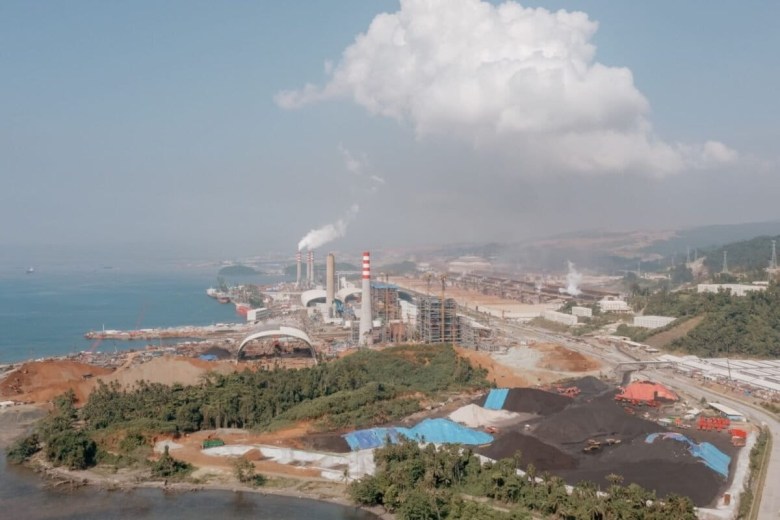
For years, Indonesia’s energy cooperation with China has primarily relied on coal, resulting in significant environmental costs. Coal-fired power plants and industrial operations, many established by Chinese firms, have accelerated Indonesia’s industrial growth but have also contributed to rising emissions. As climate change intensifies, this reliance on fossil fuels is increasingly deemed unsustainable.
Contradictions in Indonesia’s Energy Policy
Indonesia faces a critical contradiction in its energy policy. The government has committed to achieving net-zero emissions by 2060, with President Prabowo Subianto indicating the potential for an earlier deadline. Despite this commitment, new coal-powered plants continue to be developed, often with foreign investment, threatening the nation’s climate goals.
Chinese involvement is particularly problematic. Although President Xi Jinping pledged in 2021 to end overseas coal financing, Chinese companies remain actively engaged in expanding coal capacity in Indonesia, particularly to support nickel processing essential for the electric vehicle supply chain. This presents a stark irony: crucial materials for green technologies are still produced using carbon-intensive energy sources.
Soeparno’s engagement with CIIDS is significant, as think tanks in China can directly influence policy. By addressing Indonesia’s decarbonization objectives in this forum, Jakarta aims to reshape investment strategies and address the broader implications of energy choices.
Shifting Towards Sustainable Cooperation
Jakarta’s message to Beijing is clear: the Indonesian government is enhancing its low-carbon policy framework, which includes initiatives like carbon pricing and waste-to-energy programs. Rather than viewing waste as an urban challenge, Indonesia is increasingly recognizing its potential as a source of clean energy, an area where Chinese innovation could play a crucial role.
China leads globally in renewable energy manufacturing, yet its investment patterns in emerging markets often favor fossil fuels over renewables. The challenge lies not in the lack of technology but in aligning financial incentives with sustainable policies. If coal remains the cheapest energy source, it will likely continue to dominate the market.
This makes diplomatic efforts, such as Soeparno’s visit, essential. They signal Indonesia’s intention to establish a partnership focused on sustainability, resilience, and long-term economic value. Such a shift could benefit both nations, as Indonesia possesses immense renewable energy potential, ranging from solar and geothermal to biomass, while China seeks new markets for its green technologies.
Cooperation in renewable energy, energy storage, and clean industrial power could significantly reduce emissions and enhance Indonesia’s competitiveness as global markets increasingly move away from carbon-intensive production.
Transitioning to a sustainable energy model does not equate to halting development. Indonesia requires reliable energy to sustain its industrialization and create job opportunities. However, coal-powered nickel smelters may soon become liabilities as international carbon regulations tighten.
For Indonesia, the impacts of climate change are tangible. Floods, heatwaves, and environmental degradation are already affecting daily life. The energy decisions made today will shape the country’s resilience for decades to come. Consequently, collaboration on energy is not merely an economic necessity; it is a moral imperative.
Meetings like the one between Soeparno and CIIDS are not expected to transform energy systems immediately, but they can help reset priorities. By advocating for more sustainable cooperation and encouraging frequent dialogue, Indonesia seeks to redefine its relationship with China. The pressing question remains whether both nations are willing to act on this vision and decisively transition away from coal toward a more responsible energy future.

India Unveils Long-Range Hypersonic Missile Amid Regional Tensions

SK bioscience Launches Global Trial for Universal Sarbecovirus Vaccine

Senegal Coach Pape Thiaw Suspended and Fined After Final Disruption

PAS Denies Abolishing Chairman Post, Contradicts Muhyiddin’s Claim

Mbappé Critiques Real Madrid’s Effort After Benfica Defeat

Thailand’s December Factory Output Surges 2.52% Year-on-Year

Ishita Dutta Reveals Her Parenting Secret: Strong Coffee

Older GPs Express Concerns Over New Digital Health Record Mandate

Urban Jurgensen: A 252-Year Legacy Enters a New Era

Regina Martinez Breaks New Ground for Mexico in Cross-Country Skiing

South Korea’s Foreign Minister Cho Hyun to Visit China This Week

Starling Bank Plans Secondary Share Sale, Targeting $5.4 Billion Valuation

Munsang College Celebrates 100 Years with Grand Ceremony

PAS Aims to Expand Parliamentary Influence in Upcoming Election

De Minaur Triumphs at Washington Open After Thrilling Comeback

Kenvue Dismisses CEO Thibaut Mongon as Strategic Review Advances

Humanism Camp Engages 250 Youths in Summer Fest 2025

Colombian Senator Miguel Uribe Shows Signs of Recovery After Attack
-
 Sports3 months ago
Regina Martinez Breaks New Ground for Mexico in Cross-Country Skiing
-
 World7 months ago
South Korea’s Foreign Minister Cho Hyun to Visit China This Week
-
 Business7 months ago
Starling Bank Plans Secondary Share Sale, Targeting $5.4 Billion Valuation
-
 Top Stories7 months ago
Munsang College Celebrates 100 Years with Grand Ceremony
-
 World7 months ago
PAS Aims to Expand Parliamentary Influence in Upcoming Election
-
 Sports8 months ago
De Minaur Triumphs at Washington Open After Thrilling Comeback
-
 Business9 months ago
Kenvue Dismisses CEO Thibaut Mongon as Strategic Review Advances
-
 Lifestyle8 months ago
Humanism Camp Engages 250 Youths in Summer Fest 2025
-
 Top Stories9 months ago
Colombian Senator Miguel Uribe Shows Signs of Recovery After Attack
-

 Sports9 months ago
Tupou and Daugunu Join First Nations Squad for Lions Clash
-
 World9 months ago
ASEAN Gears Up for Historic Joint Meeting of Foreign and Economic Ministers
-

 Health8 months ago
New Study Challenges Assumptions About Aging and Inflammation