
Sports
Milano Cortina Winter Games Set to Proceed as Snow Conditions Improve

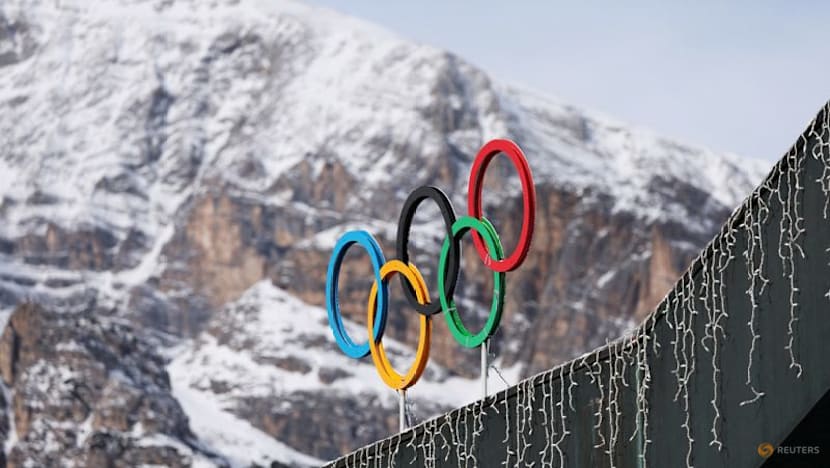
Preparations for the upcoming Milano Cortina Winter Olympics are progressing positively, alleviating earlier concerns regarding snow conditions. According to Johan Eliasch, president of the International Ski and Snowboard Federation (FIS), recent cold temperatures have facilitated effective snow farming and production at crucial venues ahead of the Games scheduled for February 6-22, 2024.
Eliasch conveyed his optimism in an interview with Reuters, noting that the current weather has significantly contributed to the preparations. “Yes, it has,” he affirmed when asked if his confidence had increased. “The preparations are advancing very well. We’ve had cold temperatures, which helps. And right now, it looks like there should be no issue to complete everything on time as planned. So that’s very good news.”
As the Games approach, Italian authorities have been under scrutiny for delays and funding challenges, particularly after an unusually warm start to winter raised doubts about snow reliability. Eliasch acknowledged that while snow security is influenced by weather conditions, the organizers possess the necessary technical resources to manage potential risks effectively.
“We are in the hands of the gods, but you also need the resources for snow making, and the capabilities that are necessary here are in place,” he said. “So from that perspective, it’s all looking good.” He highlighted that contingency planning is standard for major sporting events, with reserve days incorporated into competition schedules to accommodate adverse weather that may disrupt races.
“That happens all the time,” Eliasch explained. “We’re very used to that. It happens during the world championships, and sometimes it happens also during the Olympic Games. At this point, we have reserve days for the schedule so that if there are weather issues, we can delay the race.”
Eliasch also emphasized the importance of future Winter Games being hosted in venues with reliable snow conditions at higher altitudes. He suggested that a limited rotation of established locations could help lower costs and enhance sustainability. “What is clear here is that snow security is very much tied to the altitude of the venues,” he stated.
He proposed a realistic long-term model for the World Cup could involve “maybe realistically three, four, or five venues in continental Europe… maybe a couple in Scandinavia, maybe one or two in North America, and two or three in Asia.” This approach would not only ensure snow reliability but also encourage local organizers to invest in maintaining the venues over time.
When asked if any significant issues remain unaddressed ahead of the Games, Eliasch responded cautiously, “Well, that remains to be seen. Hopefully not. We’re making good progress, but we’ll find out. No doubt.” He reiterated that maintaining a focus on the schedule is crucial, stating, “So far, the most critical issues are all on schedule, and that is what matters.”
With just weeks to go before the Winter Olympics, the emphasis on snow security and robust preparation strategies reflects the determination of organizers to deliver a successful event in Milano Cortina. As the countdown continues, the optimism surrounding snow conditions may serve to reassure athletes and fans alike.

India Unveils Long-Range Hypersonic Missile Amid Regional Tensions

SK bioscience Launches Global Trial for Universal Sarbecovirus Vaccine

Senegal Coach Pape Thiaw Suspended and Fined After Final Disruption

PAS Denies Abolishing Chairman Post, Contradicts Muhyiddin’s Claim

Mbappé Critiques Real Madrid’s Effort After Benfica Defeat

Thailand’s December Factory Output Surges 2.52% Year-on-Year

Ishita Dutta Reveals Her Parenting Secret: Strong Coffee

Older GPs Express Concerns Over New Digital Health Record Mandate

Urban Jurgensen: A 252-Year Legacy Enters a New Era

Regina Martinez Breaks New Ground for Mexico in Cross-Country Skiing

South Korea’s Foreign Minister Cho Hyun to Visit China This Week

Starling Bank Plans Secondary Share Sale, Targeting $5.4 Billion Valuation

Munsang College Celebrates 100 Years with Grand Ceremony

PAS Aims to Expand Parliamentary Influence in Upcoming Election

De Minaur Triumphs at Washington Open After Thrilling Comeback

Kenvue Dismisses CEO Thibaut Mongon as Strategic Review Advances

Humanism Camp Engages 250 Youths in Summer Fest 2025

Colombian Senator Miguel Uribe Shows Signs of Recovery After Attack
-
 Sports3 months ago
Regina Martinez Breaks New Ground for Mexico in Cross-Country Skiing
-
 World7 months ago
South Korea’s Foreign Minister Cho Hyun to Visit China This Week
-
 Business7 months ago
Starling Bank Plans Secondary Share Sale, Targeting $5.4 Billion Valuation
-
 Top Stories7 months ago
Munsang College Celebrates 100 Years with Grand Ceremony
-
 World7 months ago
PAS Aims to Expand Parliamentary Influence in Upcoming Election
-
 Sports8 months ago
De Minaur Triumphs at Washington Open After Thrilling Comeback
-
 Business9 months ago
Kenvue Dismisses CEO Thibaut Mongon as Strategic Review Advances
-
 Lifestyle8 months ago
Humanism Camp Engages 250 Youths in Summer Fest 2025
-
 Top Stories9 months ago
Colombian Senator Miguel Uribe Shows Signs of Recovery After Attack
-

 Sports9 months ago
Tupou and Daugunu Join First Nations Squad for Lions Clash
-
 World9 months ago
ASEAN Gears Up for Historic Joint Meeting of Foreign and Economic Ministers
-

 Health8 months ago
New Study Challenges Assumptions About Aging and Inflammation