
Politics
Middle East Faces Renewed Conflict Despite Ceasefire Efforts

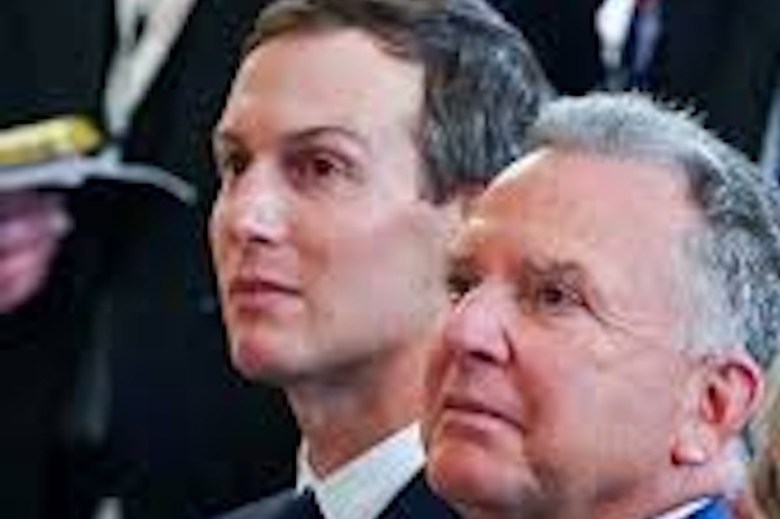
The Middle East enters the new year with escalating tensions and ongoing conflict, just three months after a ceasefire agreement was forged between Israel and Hamas regarding Gaza. Despite the hopes for stability following the deal spearheaded by Donald Trump, violence continues unabated, raising questions about the region’s future.
Since the ceasefire was established in October 2023, approximately 400 individuals, including civilians and soldiers, have lost their lives in Gaza. The expectation that Hamas would disarm as part of the ceasefire has proved unrealistic. Armed groups seldom relinquish their power, particularly when facing continuous military action from the Israeli Defense Force. As a result, the situation remains perilous, with no effective governance or security alternative emerging in the area.
In addition to the ongoing violence in Gaza, tensions have intensified between Saudi Arabia and the United Arab Emirates over their differing support for factions in Yemen and Sudan. The civil wars in these nations have led to higher casualties than those witnessed in Gaza. On December 30, Saudi forces conducted airstrikes against what they claimed was an Emirati arms shipment intended for separatists in southern Yemen. The unfolding conflict between these Gulf states further complicates any potential collaboration in establishing a stable Palestinian state.
In a potentially positive development, protests have erupted across Iran, reflecting discontent with the government’s handling of economic issues such as inflation and declining living standards. This public outcry may weaken the Iranian regime, which has faced challenges from both Israeli and American military actions targeting its nuclear facilities. The regime’s influence over proxy groups in Gaza, Lebanon, and Syria has also diminished, suggesting a shift in power dynamics.
Despite continuing turmoil, the Iranian government has managed to generate revenue by supplying weapons to Russia for its ongoing conflict in Ukraine. However, the Iranian economy is faltering, with a collapsing currency and decreased income from energy exports. The absence of assistance from Russia or China further exacerbates Iran’s position.
On the diplomatic front, Trump recently threatened American intervention in Iran should the government attempt to suppress the protests with violence. While this stance indicates some level of American commitment to human rights, the specifics of any potential intervention remain uncertain. The broader picture in the Middle East continues to reflect a landscape of distrust, with various factions engaged in conflict.
To foster peace and stability, external actors could play a crucial role. The European nations that recognized a Palestinian state last year, including Britain, France, and Spain, bear a responsibility to engage in constructive dialogue aimed at fostering regional cooperation. This includes addressing the rift between Saudi Arabia and the UAE while advocating for a comprehensive plan for Gaza’s reconstruction.
While it is clear that the Trump administration has positioned itself as a key player in the peace process, European countries could still facilitate negotiations by encouraging Arab states to resolve their internal conflicts. Such efforts would demonstrate that external powers, including the United States, cannot simply dictate terms to Israel without considering the broader implications for the region.
Looking ahead, the combination of pressure from the Trump administration and diplomatic engagement from European nations may present a viable path toward a more equitable solution in Palestine. Although the challenges remain substantial, there is a potential for creating a more stable environment in the Middle East, particularly when compared to the ongoing crisis in Ukraine.
This article, originally published in Italian by La Stampa, reflects a complex situation requiring nuanced understanding and concerted international effort to navigate the myriad conflicts affecting the region.

India Unveils Long-Range Hypersonic Missile Amid Regional Tensions

SK bioscience Launches Global Trial for Universal Sarbecovirus Vaccine

Senegal Coach Pape Thiaw Suspended and Fined After Final Disruption

PAS Denies Abolishing Chairman Post, Contradicts Muhyiddin’s Claim

Mbappé Critiques Real Madrid’s Effort After Benfica Defeat

Thailand’s December Factory Output Surges 2.52% Year-on-Year

Ishita Dutta Reveals Her Parenting Secret: Strong Coffee

Older GPs Express Concerns Over New Digital Health Record Mandate

Urban Jurgensen: A 252-Year Legacy Enters a New Era

Regina Martinez Breaks New Ground for Mexico in Cross-Country Skiing

South Korea’s Foreign Minister Cho Hyun to Visit China This Week

Starling Bank Plans Secondary Share Sale, Targeting $5.4 Billion Valuation

Munsang College Celebrates 100 Years with Grand Ceremony

PAS Aims to Expand Parliamentary Influence in Upcoming Election

De Minaur Triumphs at Washington Open After Thrilling Comeback

Kenvue Dismisses CEO Thibaut Mongon as Strategic Review Advances

Humanism Camp Engages 250 Youths in Summer Fest 2025

Colombian Senator Miguel Uribe Shows Signs of Recovery After Attack
-
 Sports3 months ago
Regina Martinez Breaks New Ground for Mexico in Cross-Country Skiing
-
 World7 months ago
South Korea’s Foreign Minister Cho Hyun to Visit China This Week
-
 Business7 months ago
Starling Bank Plans Secondary Share Sale, Targeting $5.4 Billion Valuation
-
 Top Stories7 months ago
Munsang College Celebrates 100 Years with Grand Ceremony
-
 World7 months ago
PAS Aims to Expand Parliamentary Influence in Upcoming Election
-
 Sports8 months ago
De Minaur Triumphs at Washington Open After Thrilling Comeback
-
 Business9 months ago
Kenvue Dismisses CEO Thibaut Mongon as Strategic Review Advances
-
 Lifestyle8 months ago
Humanism Camp Engages 250 Youths in Summer Fest 2025
-
 Top Stories9 months ago
Colombian Senator Miguel Uribe Shows Signs of Recovery After Attack
-

 Sports9 months ago
Tupou and Daugunu Join First Nations Squad for Lions Clash
-
 World9 months ago
ASEAN Gears Up for Historic Joint Meeting of Foreign and Economic Ministers
-

 Health8 months ago
New Study Challenges Assumptions About Aging and Inflammation