
Science
Panjab University Innovates Paint Additive to Combat Hospital Infections

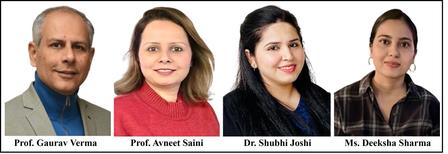
Panjab University (PU) researchers have developed an innovative paint additive designed to significantly reduce infection rates in hospitals, addressing a critical issue that has gained prominence following the Covid-19 pandemic. This groundbreaking innovation received an Indian patent on December 31, 2025, marking a key milestone in the fight against hospital-acquired infections.
The project, spearheaded by Gaurav Verma from the Department of Chemical Engineering and Nanotechnology, emerged from collaborative efforts during the pandemic. The research team includes Avneet Saini from the Department of Biophysics, Shubhi Joshi, and MSc student Deeksha Sharma. Their additive is engineered to eliminate harmful bacteria on surfaces, enhancing the safety of hospital walls, beds, and furniture. Notably, the material is non-toxic, ensuring it does not disperse into the air or surrounding environments, making it suitable for indoor applications.
Addressing a Critical Need in Healthcare
The development of this paint technology comes in response to the alarming rise in hospital-acquired infections highlighted during the pandemic, particularly during the delta wave of 2021-2022. These infections, which often spread through frequently touched surfaces, were linked to severe complications, including cases of black fungus. The need for effective solutions has never been more pressing, as hospital settings can be breeding grounds for infections that threaten patient safety.
The concept for this innovation began in 2018 when Shubhi Joshi, a food microbiologist, sought to work under Gaurav Verma for her PhD, despite facing challenges in gaining admission to her preferred subject. Verma welcomed her into his lab, where she took on the intricate task of researching nanomaterials. The team’s commitment to their work persisted throughout the pandemic, as they adhered to safety protocols while continuing their research.
By 2022, their efforts culminated in the successful completion of the antibacterial paint additive. Currently, Joshi is affiliated with the Indian Council of Medical Research (ICMR) as a Woman Scientist and continues to engage with the PU research team, showcasing the enduring collaborative spirit of the project.
Impact on Future Healthcare Solutions
Verma emphasized the significance of the innovation, stating, “I believe every student has the ability to do meaningful science, and that science should directly help society.” He highlighted the potential of paints to serve not only as aesthetic enhancements for buildings but also as vital tools in saving lives.
The potential applications of this patented paint technology extend beyond hospitals, suggesting a broader impact on healthcare facilities. As healthcare providers seek new ways to protect patients and staff from infections, this paint additive represents a promising step forward.
In summary, the work conducted at Panjab University reflects a proactive approach to addressing a pressing global health challenge, showcasing the importance of scientific innovation in enhancing public safety and improving patient care in medical environments.

India Unveils Long-Range Hypersonic Missile Amid Regional Tensions

SK bioscience Launches Global Trial for Universal Sarbecovirus Vaccine

Senegal Coach Pape Thiaw Suspended and Fined After Final Disruption

PAS Denies Abolishing Chairman Post, Contradicts Muhyiddin’s Claim

Mbappé Critiques Real Madrid’s Effort After Benfica Defeat

Thailand’s December Factory Output Surges 2.52% Year-on-Year

Ishita Dutta Reveals Her Parenting Secret: Strong Coffee

Older GPs Express Concerns Over New Digital Health Record Mandate

Urban Jurgensen: A 252-Year Legacy Enters a New Era

Regina Martinez Breaks New Ground for Mexico in Cross-Country Skiing

South Korea’s Foreign Minister Cho Hyun to Visit China This Week

Starling Bank Plans Secondary Share Sale, Targeting $5.4 Billion Valuation

Munsang College Celebrates 100 Years with Grand Ceremony

PAS Aims to Expand Parliamentary Influence in Upcoming Election

De Minaur Triumphs at Washington Open After Thrilling Comeback

Kenvue Dismisses CEO Thibaut Mongon as Strategic Review Advances

Humanism Camp Engages 250 Youths in Summer Fest 2025

Colombian Senator Miguel Uribe Shows Signs of Recovery After Attack
-
 Sports2 months ago
Regina Martinez Breaks New Ground for Mexico in Cross-Country Skiing
-
 World6 months ago
South Korea’s Foreign Minister Cho Hyun to Visit China This Week
-
 Business7 months ago
Starling Bank Plans Secondary Share Sale, Targeting $5.4 Billion Valuation
-
 Top Stories6 months ago
Munsang College Celebrates 100 Years with Grand Ceremony
-
 World6 months ago
PAS Aims to Expand Parliamentary Influence in Upcoming Election
-
 Sports8 months ago
De Minaur Triumphs at Washington Open After Thrilling Comeback
-
 Business8 months ago
Kenvue Dismisses CEO Thibaut Mongon as Strategic Review Advances
-
 Lifestyle8 months ago
Humanism Camp Engages 250 Youths in Summer Fest 2025
-
 Top Stories8 months ago
Colombian Senator Miguel Uribe Shows Signs of Recovery After Attack
-

 Sports8 months ago
Tupou and Daugunu Join First Nations Squad for Lions Clash
-

 World8 months ago
ASEAN Gears Up for Historic Joint Meeting of Foreign and Economic Ministers
-

 Health8 months ago
New Study Challenges Assumptions About Aging and Inflammation