
Business
Taiwan’s President Urges Legislature to Pass Delayed Budget

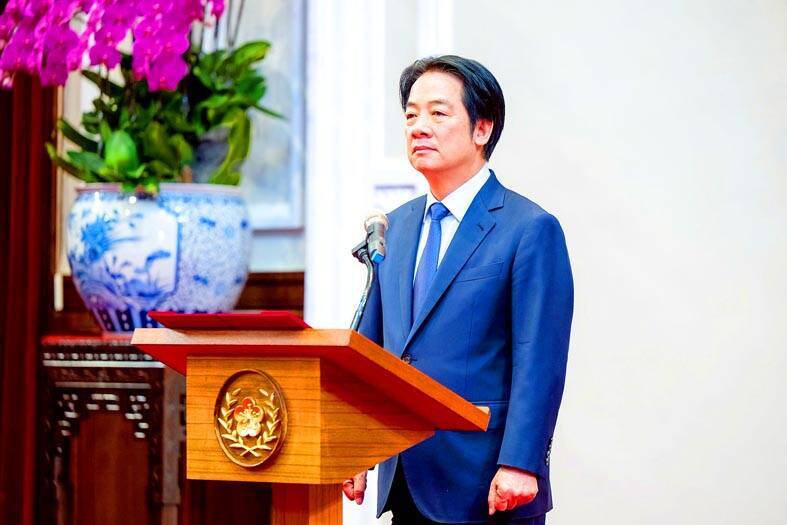
President William Lai has called on Taiwan’s legislature to swiftly pass the Executive Yuan’s general budget, which has stalled critical initiatives aimed at benefiting the Taiwanese populace. In a Facebook post addressing the nation, Lai emphasized that the lack of legislative approval has delayed essential policies, including the Long-Term Care 3.0 program, investments in artificial intelligence, minimum wage increases, and expansions of welfare programs.
Urgent Need for Legislative Action
Lai expressed appreciation for the efforts of Premier Cho Jung-tai and the Cabinet in preparing for the upcoming year but highlighted that the Legislative Yuan has yet to approve the budget for the 2026 fiscal year. He urged lawmakers to expedite their review to facilitate the timely implementation of crucial livelihood policies. “We hope the legislature would complete the review of the budget posthaste to enable the timely implementation of livelihood policies,” he stated.
Among the measures held up by the legislative impasse are plans to broaden cancer screenings, provide subsidies for medium and low-income families, and introduce incentives aimed at increasing birth rates. Lai emphasized the importance of these initiatives as part of a broader effort to support the well-being of Taiwanese citizens.
Call for Collaboration to Overcome Deadlock
In his own message for the new year, Cho Jung-tai urged legislators to collaborate with the Lai administration. He pointed out that the ongoing deadlock in the legislature has hindered significant reforms designed to assist the Taiwanese people. Cho emphasized that the Cabinet wishes for enhanced cooperation between the legislative and executive branches to establish a government that prioritizes the welfare of its citizens and national interests.
According to the Executive Yuan, the legislative gridlock has jeopardized funding for various policies, including incentives for businesses to adopt more flexible parental leave policies and social housing programs aimed at young couples. Other delayed initiatives include benefits for families having children and funding to encourage businesses to increase wages in exchange for higher quotas of migrant laborers.
The need for timely legislative action has never been more apparent, as the Cabinet seeks to respond to pressing social issues while fostering a more just, harmonious, and sustainable society for all Taiwanese. With the new year on the horizon, Lai’s administration remains hopeful that collaboration will pave the way for necessary reforms.

India Unveils Long-Range Hypersonic Missile Amid Regional Tensions

SK bioscience Launches Global Trial for Universal Sarbecovirus Vaccine

Senegal Coach Pape Thiaw Suspended and Fined After Final Disruption

PAS Denies Abolishing Chairman Post, Contradicts Muhyiddin’s Claim

Mbappé Critiques Real Madrid’s Effort After Benfica Defeat

Thailand’s December Factory Output Surges 2.52% Year-on-Year

Ishita Dutta Reveals Her Parenting Secret: Strong Coffee

Older GPs Express Concerns Over New Digital Health Record Mandate

Urban Jurgensen: A 252-Year Legacy Enters a New Era

South Korea’s Foreign Minister Cho Hyun to Visit China This Week

Starling Bank Plans Secondary Share Sale, Targeting $5.4 Billion Valuation

Munsang College Celebrates 100 Years with Grand Ceremony

PAS Aims to Expand Parliamentary Influence in Upcoming Election

Kenvue Dismisses CEO Thibaut Mongon as Strategic Review Advances

Humanism Camp Engages 250 Youths in Summer Fest 2025

De Minaur Triumphs at Washington Open After Thrilling Comeback

Tupou and Daugunu Join First Nations Squad for Lions Clash

Colombian Senator Miguel Uribe Shows Signs of Recovery After Attack
-
 World5 months ago
South Korea’s Foreign Minister Cho Hyun to Visit China This Week
-
 Business5 months ago
Starling Bank Plans Secondary Share Sale, Targeting $5.4 Billion Valuation
-
 Top Stories5 months ago
Munsang College Celebrates 100 Years with Grand Ceremony
-
 World5 months ago
PAS Aims to Expand Parliamentary Influence in Upcoming Election
-
 Business7 months ago
Kenvue Dismisses CEO Thibaut Mongon as Strategic Review Advances
-
 Lifestyle6 months ago
Humanism Camp Engages 250 Youths in Summer Fest 2025
-
 Sports6 months ago
De Minaur Triumphs at Washington Open After Thrilling Comeback
-
 Sports7 months ago
Tupou and Daugunu Join First Nations Squad for Lions Clash
-
 Top Stories7 months ago
Colombian Senator Miguel Uribe Shows Signs of Recovery After Attack
-

 World7 months ago
ASEAN Gears Up for Historic Joint Meeting of Foreign and Economic Ministers
-

 Health6 months ago
New Study Challenges Assumptions About Aging and Inflammation
-

 Business7 months ago
Oil Prices Surge Following New EU Sanctions on Russia