
Health
Calm Spaces Emerge to Support Neurodivergent Individuals

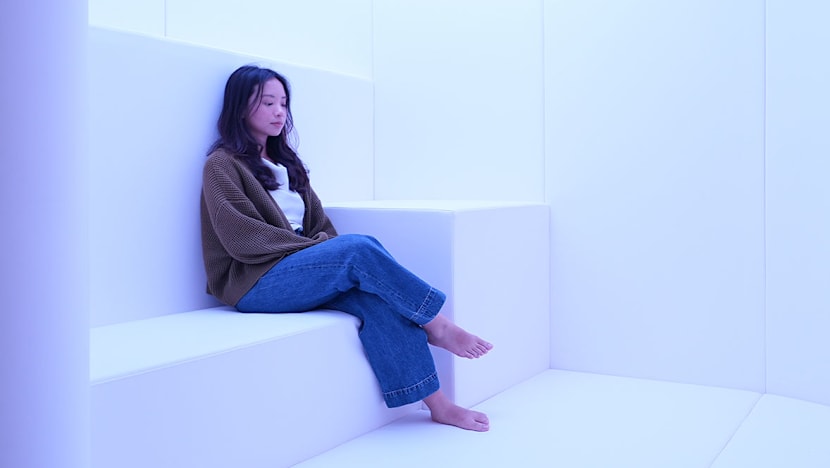
As public spaces increasingly acknowledge the needs of neurodivergent individuals, facilities designed to provide sensory relief are becoming more common. This shift aims to alleviate the stress experienced by those with conditions like autism, ADHD, dyslexia, and dyspraxia, as they navigate environments often filled with overwhelming stimuli.
For instance, Ms. Janice Tay has firsthand experience with the challenges faced by her son, Emmanuel, who has multiple neurodevelopmental conditions. Growing up, shopping trips often resulted in frantic searches for quiet areas where he could regulate his emotions. Now 15, Emmanuel has learned to use toilet cubicles as “safe zones,” but this strategy presents its own challenges, particularly when other patrons grow impatient. Tay founded Bridging the Gap, an intervention centre for children with developmental needs, highlighting the need for more accessible spaces in public settings.
Supermarkets, too, can be daunting for neurodivergent individuals. A 35-year-old woman named Karen, who identifies as having Level 1 autism, finds grocery shopping particularly distressing. The harsh lighting, crowded aisles, and amplified sounds often lead her to cut short her shopping trips. “I can hardly spend more than 10 minutes in the supermarket,” she explains, reflecting on the intense stimulation that can leave her feeling unwell.
Emerging Supportive Spaces
The growing awareness of neurodivergent needs is prompting public institutions to design facilities that cater to these individuals. In October 2023, Changi Airport introduced its first sensory-friendly facility in Terminal 2, providing a refuge for travelers like Emmanuel and their caregivers. The calm room features four distinct zones, including two private rooms with adjustable lighting and acoustically dampened environments. General Manager of Airport Operations Services, Eileen Oh, noted that such spaces help alleviate concerns about public judgment that families often face.
Positive feedback has already emerged, with caregivers expressing relief that they can support their neurodivergent family members without fear of scrutiny. “Some travelers noted that simply knowing the Calm Room exists gave them reassurance,” Oh added.
Similarly, the National Gallery Singapore has offered a calm room since 2022. This facility was co-developed with neurodivergent artists and features adjustable lighting and sensory kits. The Deputy Director of Access and Community, Alicia Teng, stated that the gallery recognized the need for a dedicated sensory respite space, which was previously lacking.
In addition to cultural institutions, libraries are also adapting. The Punggol Regional Library now includes a waiting area equipped with sensory aids, aiming to create a more accommodating environment for neurodivergent visitors.
Community and Workplace Adaptations
The push for neurodivergent-supportive spaces extends into the workplace as well. Companies like EY, an accounting firm, have implemented sensory-friendly zones based on employee feedback. These areas feature dimmable lighting and sound-absorbing walls, catering to varying work styles and sensory preferences.
Challenges remain for neurodivergent individuals and their families, particularly when it comes to navigating environments filled with sensory overload. As Choo Kah Ying, a copy editor and mother of a son with profound autism, points out, ongoing construction can create unpredictable environments that increase stress.
Moreover, Ms. Serene Seng, an executive coach, highlighted the “stacking effect” of multiple sensory stimuli, which can be overwhelming. Her son, Hendrick, diagnosed with autism and ADHD, uses noise-cancelling earbuds to help him manage his environment.
Organizations like the Institute of Neurodiversity emphasize that environment plays a crucial role in cognitive regulation. It is vital for spaces to be designed not only for neurotypical users but also to accommodate the unique sensory needs of neurodivergent individuals.
Experts suggest that incorporating neuroinclusive design principles should be standard practice, rather than a rarity. Ms. Hazleen Ahmad, the Deputy Chief Executive Officer of the Institute of Neurodiversity, noted that by focusing on those at risk of sensory overload, the baseline usability and comfort for all users can be significantly improved.
Promoting inclusive design can also have broader benefits, as highlighted by Mr. Biswajit Guha, a senior lecturer at Republic Polytechnic’s School of Hospitality. Addressing the needs of neurodivergent individuals can enhance Singapore’s appeal as an inclusive destination, potentially reducing healthcare costs and increasing community resilience.
As Singapore progresses in creating supportive spaces, stakeholders agree that planning should begin during the design phase of public and private buildings. Clear communication about available facilities is essential, and neurodivergent individuals should be actively involved in the design process to ensure their needs are met.
Improvements do not necessarily require extensive renovations. Simple changes, such as replacing harsh lighting with softer options or providing sensory tools, can significantly enhance the experience for neurodivergent individuals.
In conclusion, as more public and private spaces adopt inclusive design principles, the aim is to create environments that accommodate the needs of all individuals. The integration of calm spaces not only benefits neurodivergent persons but enriches the community as a whole, fostering a more understanding and accommodating society.

India Unveils Long-Range Hypersonic Missile Amid Regional Tensions

SK bioscience Launches Global Trial for Universal Sarbecovirus Vaccine

Senegal Coach Pape Thiaw Suspended and Fined After Final Disruption

PAS Denies Abolishing Chairman Post, Contradicts Muhyiddin’s Claim

Mbappé Critiques Real Madrid’s Effort After Benfica Defeat

Thailand’s December Factory Output Surges 2.52% Year-on-Year

Ishita Dutta Reveals Her Parenting Secret: Strong Coffee

Older GPs Express Concerns Over New Digital Health Record Mandate

Urban Jurgensen: A 252-Year Legacy Enters a New Era

South Korea’s Foreign Minister Cho Hyun to Visit China This Week

Starling Bank Plans Secondary Share Sale, Targeting $5.4 Billion Valuation

Munsang College Celebrates 100 Years with Grand Ceremony

PAS Aims to Expand Parliamentary Influence in Upcoming Election

Kenvue Dismisses CEO Thibaut Mongon as Strategic Review Advances

Humanism Camp Engages 250 Youths in Summer Fest 2025

De Minaur Triumphs at Washington Open After Thrilling Comeback

Tupou and Daugunu Join First Nations Squad for Lions Clash

Colombian Senator Miguel Uribe Shows Signs of Recovery After Attack
-
 World5 months ago
South Korea’s Foreign Minister Cho Hyun to Visit China This Week
-
 Business5 months ago
Starling Bank Plans Secondary Share Sale, Targeting $5.4 Billion Valuation
-
 Top Stories5 months ago
Munsang College Celebrates 100 Years with Grand Ceremony
-
 World5 months ago
PAS Aims to Expand Parliamentary Influence in Upcoming Election
-
 Business7 months ago
Kenvue Dismisses CEO Thibaut Mongon as Strategic Review Advances
-
 Lifestyle6 months ago
Humanism Camp Engages 250 Youths in Summer Fest 2025
-
 Sports6 months ago
De Minaur Triumphs at Washington Open After Thrilling Comeback
-
 Sports7 months ago
Tupou and Daugunu Join First Nations Squad for Lions Clash
-
 Top Stories7 months ago
Colombian Senator Miguel Uribe Shows Signs of Recovery After Attack
-

 World7 months ago
ASEAN Gears Up for Historic Joint Meeting of Foreign and Economic Ministers
-

 Health6 months ago
New Study Challenges Assumptions About Aging and Inflammation
-

 Business7 months ago
Oil Prices Surge Following New EU Sanctions on Russia