
Business
Trump’s Tariff Policies Shift Amid Global Economic Pressures

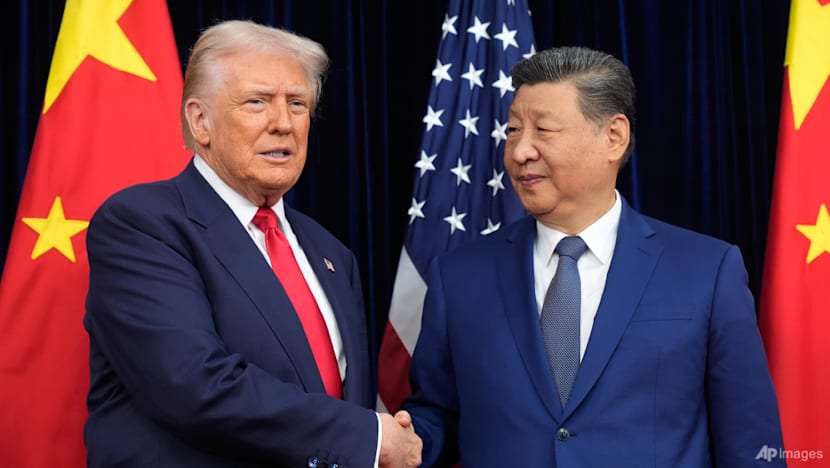
Recent developments indicate a significant shift in the United States’ tariff policies under former President Donald Trump. After a long period of heightened tensions and threats of new tariffs, Trump’s recent interactions suggest a retreat from his aggressive trade stance. A notable meeting in October with Chinese President Xi Jinping, in which Trump backed down from escalating tariffs, marks what many view as a turning point.
Global Reactions and Tariff Reductions
In the wake of Trump’s tariff threats, several countries have begun to see reductions in U.S. tariffs. Brazil’s President Luiz Inacio Lula da Silva was recently rewarded with significant cuts in U.S. tariffs on food, a move that reflects a broader trend of tariff relief for other Central and South American nations, including Argentina, Ecuador, Guatemala, and El Salvador. The European Union is also likely to benefit from similar tariff reductions.
While Canada has so far avoided the additional 10 percent tariffs Trump threatened due to a controversial advertisement referencing Ronald Reagan, the future of U.S. trade policy remains uncertain. Reports indicate that Trump may soften or postpone anticipated tariffs on semiconductors, further complicating the landscape of international trade.
The Economic Impact of Tariffs
Despite the apparent easing of tensions, the full effects of Trump’s tariffs have yet to materialize. Economists have cautioned that the economic consequences originally predicted have only been partially realized. Key factors include delays in implementing tariffs announced during the so-called “Liberation Day” in April, which did not take effect until August. Furthermore, the administration has made exceptions to the tariff regime to alleviate pressures on certain industries.
Currently, tariff revenue relative to import values hovers just below 10 percent, a figure that falls short of funding Trump’s proposed US$2,000 “tariff dividend” for voters. Although consumer prices have yet to surge significantly, corporate strategies such as inventory-building have mitigated some of the anticipated adverse effects. Yet, manufacturers have expressed concerns over supply chain disruptions and rising costs.
As inflation and the cost of living become pressing issues, Trump’s retreat from aggressive tariff policy may need to accelerate. The recent cuts in food tariffs signal a growing recognition of these economic challenges, reminiscent of the difficulties faced by his successor, Joe Biden. Trump’s earlier commitments to not only reduce inflation but also lower prices have not materialized, leading to public disappointment.
The complexities of the U.S. economy complicate the effectiveness of tariffs. Unlike economies reliant on manufacturing exports, the U.S. is predominantly a consumer-driven market with a relatively small traded-goods sector. This disparity raises questions about the long-term viability of Trump’s tariff policies.
Future of Tariff Policy Under Trump
The prospects for future tariff policies remain uncertain. The administration’s earlier grand ambitions, such as the so-called “Mar-a-Lago accord,” which aimed to utilize trade restrictions to influence global economic dynamics, appear increasingly unrealistic. While some nations, like Malaysia, have entered agreements that ostensibly align with U.S. interests, skepticism persists regarding America’s willingness to impose significant economic self-harm for leverage.
As the realities of the global economy clash with Trump’s previously envisioned tariff landscape, the effectiveness of his policies is coming under scrutiny. The potential for further economic and political upheaval looms, particularly if rising prices disrupt trade significantly. Although it may be premature to declare the end of Trump’s tariff campaign, the recent developments suggest that the landscape is shifting, forcing a reconsideration of strategies that once seemed unassailable.
In conclusion, as the world’s economic dynamics evolve, Trump’s previously steadfast tariff approach may need to adapt to an increasingly complex reality. The stubborn facts of the global market indicate that the strategies employed may be far less effective than originally anticipated.

India Unveils Long-Range Hypersonic Missile Amid Regional Tensions

SK bioscience Launches Global Trial for Universal Sarbecovirus Vaccine

Senegal Coach Pape Thiaw Suspended and Fined After Final Disruption

PAS Denies Abolishing Chairman Post, Contradicts Muhyiddin’s Claim

Mbappé Critiques Real Madrid’s Effort After Benfica Defeat

Thailand’s December Factory Output Surges 2.52% Year-on-Year

Ishita Dutta Reveals Her Parenting Secret: Strong Coffee

Older GPs Express Concerns Over New Digital Health Record Mandate

Urban Jurgensen: A 252-Year Legacy Enters a New Era

Regina Martinez Breaks New Ground for Mexico in Cross-Country Skiing

South Korea’s Foreign Minister Cho Hyun to Visit China This Week

Starling Bank Plans Secondary Share Sale, Targeting $5.4 Billion Valuation

Munsang College Celebrates 100 Years with Grand Ceremony

PAS Aims to Expand Parliamentary Influence in Upcoming Election

De Minaur Triumphs at Washington Open After Thrilling Comeback

Kenvue Dismisses CEO Thibaut Mongon as Strategic Review Advances

Humanism Camp Engages 250 Youths in Summer Fest 2025

Colombian Senator Miguel Uribe Shows Signs of Recovery After Attack
-
 Sports2 months ago
Regina Martinez Breaks New Ground for Mexico in Cross-Country Skiing
-
 World6 months ago
South Korea’s Foreign Minister Cho Hyun to Visit China This Week
-
 Business6 months ago
Starling Bank Plans Secondary Share Sale, Targeting $5.4 Billion Valuation
-
 Top Stories6 months ago
Munsang College Celebrates 100 Years with Grand Ceremony
-
 World6 months ago
PAS Aims to Expand Parliamentary Influence in Upcoming Election
-
 Sports8 months ago
De Minaur Triumphs at Washington Open After Thrilling Comeback
-
 Business8 months ago
Kenvue Dismisses CEO Thibaut Mongon as Strategic Review Advances
-
 Lifestyle8 months ago
Humanism Camp Engages 250 Youths in Summer Fest 2025
-
 Top Stories8 months ago
Colombian Senator Miguel Uribe Shows Signs of Recovery After Attack
-

 Sports8 months ago
Tupou and Daugunu Join First Nations Squad for Lions Clash
-

 World8 months ago
ASEAN Gears Up for Historic Joint Meeting of Foreign and Economic Ministers
-

 Health8 months ago
New Study Challenges Assumptions About Aging and Inflammation